Why Did Juul Fail?
The $38B Vaping Empire That Vaporized to Zero
📜 What Happened
Juul was supposed to be the salvation of smokers: a sleek e-cigarette that delivered nicotine without the tar, valued at $38 billion in 2018 — the fastest company ever to reach that figure, with 75% of the US e-cigarette market. But Juul's marketing and flavors (mango, mint, creme) made it irresistible to teenagers — by 2019, one in four US high school students used e-cigarettes, and Juul was the cause célèbre. Regulators banned flavored pods, states sued for billions, the FDA moved to take products off the market, and retailers from Walmart to CVS dropped it. The $38 billion valuation collapsed to nearly zero; the company cut 95% of staff, exited most markets, and accepted a $1.7 billion settlement. The fastest unicorn in history became the fastest meltdown in history.
☠️ The Fatal Mistake
Optimizing a nicotine product for teenage appeal — flavors, sleek design, viral marketing — while claiming to only target adult smokers; the backlash destroyed the entire category.
🧠 The Lesson (Free for You)
If your growth depends on a demographic you deny serving, you are building on evidence that will be used against you. Regulatory risk is not an externality — it is the biggest line item you can't see.
📕 The Antidote Book
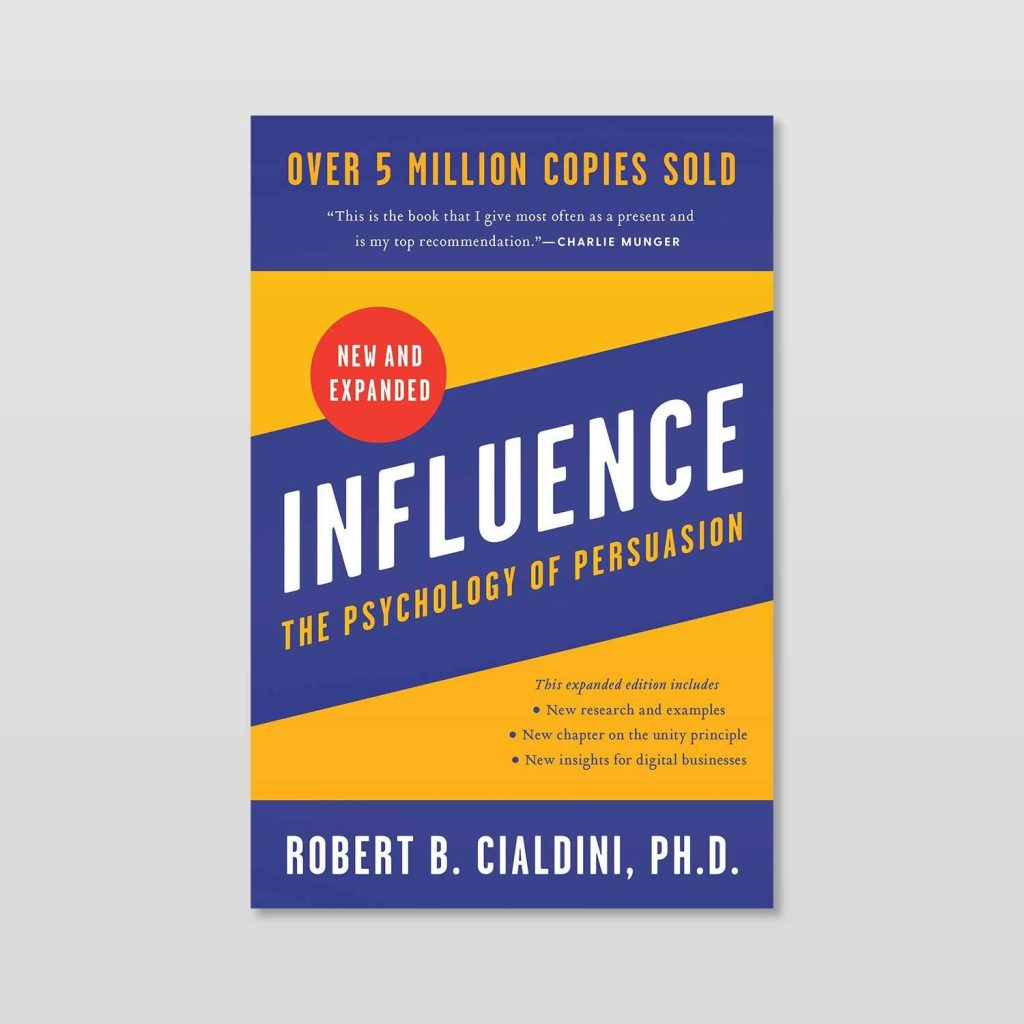
Cialdini spent years undercover — training with car dealers, fundraisers, telemarketers, and recruiters — to catalog the psychology that makes people comply. His finding: humans run on automatic 'click-whirr' response…
📖 OPEN THE FULL INTERACTIVE BREAKDOWN →Searchable, filterable, free to read — they paid billions; your lesson is free.