Why Did The Body Shop Fail?
The Ethical Beauty Pioneer That Couldn't Outlive Its Founder's Shadow
📜 What Happened
Anita Roddick founded The Body Shop in 1976 and built it into a global pioneer of ethical beauty — cruelty-free products, fair trade, environmental activism, a brand with a soul that attracted millions of loyal customers. In 2006, Roddick sold it to L'Oréal for £652 million; she died a year later. What followed was two decades of ownership churn: L'Oréal, then Natura (Brazil), each promising to restore the magic. But the magic had been Roddick herself — her activism, her story, her authenticity — and without her, the brand became just another cosmetics label competing in a market now flooded with 'clean' and 'ethical' brands that had copied its playbook. In 2023, the chain was sold for £1; in early 2024, it collapsed into administration, closing hundreds of stores and cutting thousands of jobs. The pioneer of ethical beauty was made obsolete by the very movement it created.
☠️ The Fatal Mistake
Building the brand around the founder's charisma without institutionalising the founder's values — when Roddick left, the soul left with her.
🧠 The Lesson (Free for You)
The Body Shop's lesson is the founder's paradox: the brand that is the founder's personality is priceless while the founder leads it, and nearly worthless after. Values must be built into the machine — hiring, sourcing, product, governance — not carried in one person's voice. The pioneer who creates a movement must also build the institution that survives the movement's mainstreaming.
📕 The Antidote Book
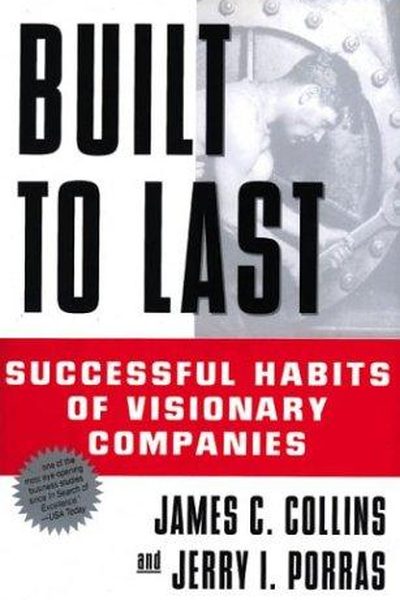
Collins and Porras studied 18 'visionary' companies (that outperformed 50+ years) vs their peers. The findings: visionary companies are driven by a core ideology (values + purpose) that never changes, big hairy…
📖 OPEN THE FULL INTERACTIVE BREAKDOWN →Searchable, filterable, free to read — they paid billions; your lesson is free.