Why Did Woolworth's (UK) Fail?
The High-Street Giant That Outlived Its Reason to Exist
📜 What Happened
For 99 years, Woolworth's was a British high-street institution — 'nothing over sixpence' to a national chain of 807 stores selling everything from pick-and-mix sweets to children's clothes and music. Generations shopped there; it was a fixture of every British town. But the fixture had stopped being a business: its product range was undifferentiated (anyone could sell the same items), its stores were ageing, and its online presence was nearly non-existent while competitors like Amazon and Argos digitised. The board, management and successive owners kept 'restructuring' — new logos, new ranges, new owners — but never addressed the core: what was Woolworth's FOR in a world that no longer needed a general store? In November 2008, administration was announced; within days, all 807 stores closed and 27,000 people lost their jobs — the largest retail collapse in British history at the time.
☠️ The Fatal Mistake
Restructuring the brand while never questioning the model — new packaging on a business that had lost its reason to exist.
🧠 The Lesson (Free for You)
A high-street name is not a business model. Woolworth's lesson: when your store sells what everyone else sells, in a world where everyone can buy online, the only thing keeping you alive is memory — and memory doesn't pay rent. The company that can't answer 'why should I exist?' will eventually be answered by the market.
📕 The Antidote Book
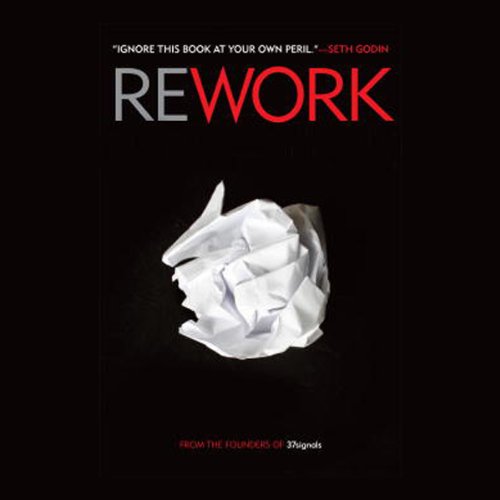
Fried and Hansson built Basecamp (37signals) into a famously profitable software company with a tiny remote team, no venture capital, no five-year plans, and no 60-hour weeks — then wrote down every rule they broke.…
📖 OPEN THE FULL INTERACTIVE BREAKDOWN →Searchable, filterable, free to read — they paid billions; your lesson is free.