Why Did The Dutch East India Company Fail?
The Richest Company in History Died of Its Own Dividends
What happened
The VOC was the first company with tradeable shares and paid extraordinary dividends for a century; its market cap would rank near the largest companies ever. But it stopped reinvesting: ships aged, profits left as dividends, corruption consumed the colonies, and when the Fourth Anglo-Dutch War destroyed the fleet in 1780-84, the company that had financed a golden age was a shell owing money to its own officers. Nationalised in 1796, formally dissolved in 1799.
The fatal mistake
Paying out the golden decades instead of compounding them - dividends and patronage consumed the fleet, the forts and the trading posts that produced them.
The lesson
A moat is a depreciating asset that must be refilled with earnings. Companies that distribute their edge eventually meet a war they cannot afford.
The antidote book
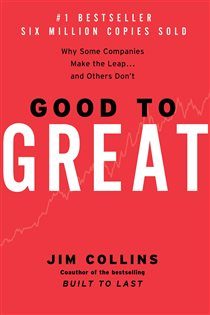
Good is the enemy of great. The leap comes from humble fanatic leaders, the right people first, brutal facts, and one big hedgehog idea.
READ THE SUMMARY OPEN INTERACTIVE BOOKQuestions people ask about The Dutch East India Company
Why did The Dutch East India Company fail? Paying out the golden decades instead of compounding them - dividends and patronage consumed the fleet, the forts and the trading posts that produced them.
How much was lost? Nearly 200 years of monopoly, a fleet of thousands, and a valuation estimated near $8 trillion in modern money - dissolved to nothing
What is the lesson? A moat is a depreciating asset that must be refilled with earnings. Companies that distribute their edge eventually meet a war they cannot afford.
The Dutch East India Company kyun fail hua? In simple English: Paying out the golden decades instead of compounding them - dividends and patronage consumed the fleet, the forts and the trading posts that produced them. The cost was Nearly 200 years of monopoly, a fleet of thousands, and a valuation estimated near $8 trillion in modern money - dissolved to nothing.
Keep digging
More historical failures · Open the full Graveyard
Read the antidote book summary: Good to Great
Related failures
- Why did The Churning of the Ocean fail? ~5000 BCE (epic) · The Great Co-operation That Produced the Poison First
- Why did The Nanda Empire fail? ~321 BCE · The Richest Empire in India, Lost Because the King Couldn't Keep a Promise
- Why did The Kurukshetra War fail? ~3000 BCE (epic) · The War Everyone Wanted That Destroyed Everyone Who Wanted It
- Why did The Harappan Collapse fail? ~1900 BCE · The Advanced Civilization That Vanished Into Its Own Success
- Why did Easter Island fail? ~1600 · They Cut Down the Last Tree
- Why did Qin Shi Huang fail? 210 BC · The Emperor Who Drank Immortality to Death
Questions this case answers
They paid full price. You get the lesson in simple English.