Why Did Yahoo Japan of Manias: The Beanie Baby Bubble Fail?
Retirement Funds in Plush Toys
📜 What Happened
In the late 90s, Beanie Babies were 'investments': price guides projected specific toys' values decades out, families skipped vacations to buy inventory, a divorcing couple split their collection under court supervision (the photo is legendary), and one father famously spent ~$100k intending to fund college. Ty Inc. fueled scarcity with retirements; eBay made prices visible — until 1999, when the music stopped. The 'rare' bears turned out to be plentiful; collections became landfill.
☠️ The Fatal Mistake
Confusing manufactured scarcity with value — the toys' 'rarity' was a dial in one company's hands, and everyone's exit plan was the same door.
🧠 The Lesson (Free for You)
An investment whose supply is controlled by the seller and whose demand is other speculators is a game of pass-the-plush. If the asset produces nothing, the exit IS the product.
📕 The Antidote Book
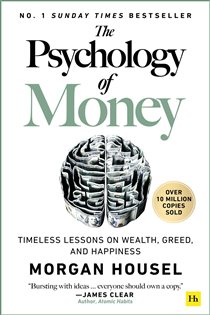
Financial success is not a hard science — it's a soft skill where behavior trumps intelligence. A janitor who buys and holds can die worth $8 million while a Harvard-educated executive goes bankrupt. Housel's 19 short…
📖 OPEN THE FULL INTERACTIVE BREAKDOWN →Searchable, filterable, free to read — they paid billions; your lesson is free.