Why Did Sega Fail?
Sonic Couldn't Outrun the Strategy
📜 What Happened
In the early 90s, Sega was the coolest company in gaming — Genesis vs. Super Nintendo, and Sega was winning: 60% of the US 16-bit market. Then the strategic fog rolled in: multiple hardware platforms (32X, Saturn, Game Gear) that confused retailers and developers; a Saturn launch that enraged partners; and an obsession with beating Nintendo at its own game instead of defining a new one. Sony's PlayStation — with a clear strategy, developer-friendly tools and focus — walked past both. Sega's Dreamcast (1999) was genuinely brilliant, but the money and trust were gone; Sega exited hardware in 2001, a decade after owning the market.
☠️ The Fatal Mistake
Winning the first battle and losing the war of focus — strategic whiplash, platform chaos, and fighting on the rival's terms instead of choosing your own battlefield.
🧠 The Lesson (Free for You)
Momentum is not strategy. When you're ahead, the danger isn't the competitor — it's your own lack of a clear, sustained plan. One focused strategy beats three brilliant improvisations.
📕 The Antidote Book
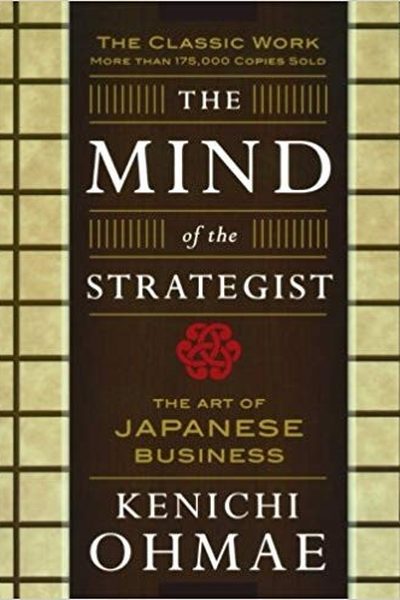
Kenichi Ohmae — the legendary McKinsey partner who built the firm's Japan practice — argued that strategy is fundamentally an art of thinking, not a science of planning. The strategist's mind combines logical analysis…
📖 OPEN THE FULL INTERACTIVE BREAKDOWN →Searchable, filterable, free to read — they paid billions; your lesson is free.