Why Did Payless ShoeSource Fail?
Sold Shoes Cheaper Than Everyone and Still Went Broke Twice
📜 What Happened
Payless was born in 1956 in Topeka, Kansas with a simple promise: family footwear at half the department-store price, self-serve racks and no frills. For half a century the formula worked; at its peak the chain ran thousands of stores across more than thirty countries and was one of the biggest footwear retailers on earth. The undoing came in two acts. Act one was the 2012 leveraged buyout: Golden Gate Capital and Blum Capital paid about $2 billion, loaded the company with debt, stripped value through real-estate deals, and left the balance sheet too weak for the war that followed: malls emptying, traffic dying, e-commerce compounding, and rivals like Zappos betting on service and selection online while Payless defended shrinking footfall. Act two was arithmetic: April 2017 brought Chapter 11, hundreds of store closures and a partial debt cut; eighteen months later the money was gone again, and February 2019 forced a second bankruptcy that liquidated the entire chain, closing every store and ending roughly 15,000 jobs. The bitter footnote: weeks before the liquidation, a Payless pop-up rebranded as 'Palessi' convinced fashion influencers to pay 550% markups for its shoes. The product could still sell; the business model had already died.
☠️ The Fatal Mistake
Ran a retail business on leveraged real-estate math while the customer moved online. Debt taken at the 2012 peak left no capacity to fund the e-commerce and service pivot that the Zappos era demanded, so the brand died of its own balance sheet, not its shoes.
🧠 The Lesson (Free for You)
Leverage converts a business problem into an extinction event. Before financing yesterday's model with debt, ask what happens to the interest bill when traffic, malls or demand shift. If the answer is liquidation, the debt is the decision.
📕 The Antidote Book
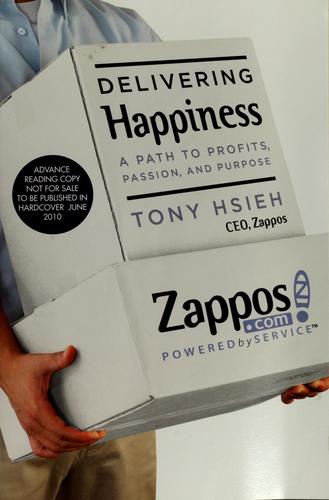
Tony Hsieh's story of Zappos: from worm farming and LinkExchange to selling shoes online with a culture so strong that customer service became the marketing budget.
📖 OPEN THE FULL INTERACTIVE BREAKDOWN →Searchable, filterable, free to read — they paid billions; your lesson is free.