Why Did Lumosity Fail?
$2M Fine for Selling Brain Training It Couldn't Prove
📜 What Happened
Lumosity was the hottest brain-training startup of the 2010s — 70 million users, ads everywhere claiming its games would make you smarter, sharper and younger-brained. The company raised over $100 million and became the poster child for 'neuroplasticity at home'. The problem: the science never supported the marketing. Independent researchers repeatedly failed to find any transfer from Lumosity games to real cognitive ability — you got better at Lumosity, not at life. In 2016 the FTC fined the company $2 million and forced $50 million in customer refunds, ruling that its claims of preventing cognitive decline, dementia and Alzheimer's were unsubstantiated. The brand collapsed into obscurity almost overnight, and 'brain training' became a punchline for the entire wellness-tech industry.
☠️ The Fatal Mistake
Selling a product on a promise the data never supported — the company knew the transfer studies were weak but kept the marketing louder than the evidence.
🧠 The Lesson (Free for You)
If your product's claim rests on studies that don't exist, you're not building a business, you're building a legal liability with a logo. The wellness industry is full of Lumositys — the ones who survive are the ones who can prove the mechanism, not just assert it.
📕 The Antidote Book
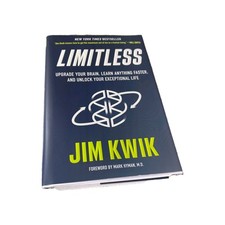
A childhood head injury left Jim Kwik years behind — teachers called him 'the boy with the broken brain,' and he believed them until his twenties. His escape (learning HOW to learn, since school only taught WHAT)…
📖 OPEN THE FULL INTERACTIVE BREAKDOWN →Searchable, filterable, free to read — they paid billions; your lesson is free.