Why Did The License Raj Fail?
The Economy That Died of Waiting: Two Weeks of Reserves Ended 44 Years of Permits
📜 What Happened
From the 1950s, India ran on permits: every factory location, production quantity, import and price needed a license, competition was rationed by the state, and growth settled at the 'Hindu rate' of roughly 3.5%. Four decades of queue-for-everything built shortages, smuggling and the Ambassador car era. In 1991 the bill arrived: the Gulf War spiked oil, remittances fell, political stability collapsed, and reserves dropped to roughly two weeks of imports. The caretaker government airlifted gold to the Bank of England as collateral; the new Rao government devalued the rupee, dismantled industrial licensing, opened trade and invited foreign investment within months. The license raj did not lose an election; it died of insolvency, and India's entrepreneurial generation (Reliance, Infosys, the startup wave two decades later) grew in the space it left.
☠️ The Fatal Mistake
Mistook control for safety: an economy that allocated by permission, not performance, starved its own job engine until a balance-of-payments mugging forced in one fiscal weekend what a decade of argument could not.
🧠 The Lesson (Free for You)
Systems that allocate by permission rather than performance die slowly, then suddenly. Reform before the crisis; in the crisis you negotiate from the collateral counter, not the cabinet table.
📕 The Antidote Book
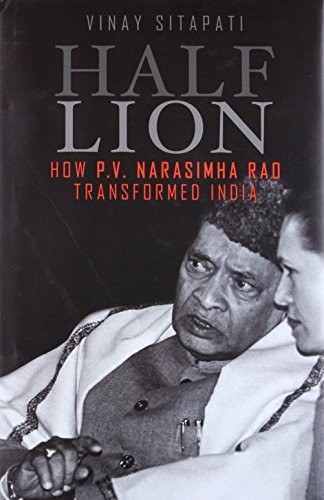
The biography of P.V. Narasimha Rao, showing how an underestimated backroom politician executed India's 1991 economic transformation while managing a fragile minority government, and paid for it with erasure.
📖 OPEN THE FULL INTERACTIVE BREAKDOWN →Searchable, filterable, free to read — they paid billions; your lesson is free.