Why Did Casper Fail?
The $1.1B D2C Unicorn That Never Made a Profit
📜 What Happened
Casper was the poster child of the direct-to-consumer revolution: a mattress in a box, brilliant branding, 'the Warby Parker of sleep.' Venture money poured in; the valuation hit $1.1 billion. The problem was the business underneath the brand: mattresses are a rare purchase (once a decade), returns are brutal, and every dollar of marketing bought a customer who might never return. The IPO priced at $12 against a target of $17; within a year, private equity bought the whole company for $320 million - a third of the 'unicorn' valuation, after years of losses that the brand could never outrun.
☠️ The Fatal Mistake
Building a brand on borrowed economics - customer acquisition costs and one-time purchases meant every sale could lose money, and no amount of cute packaging fixed the unit math.
🧠 The Lesson (Free for You)
Unit economics are the truth; branding is the decoration. If every customer costs more to acquire than they're worth over a lifetime, the valuation is a story the P&L eventually tells on. Know your LTV vs. CAC before you scale.
The Antidote Book
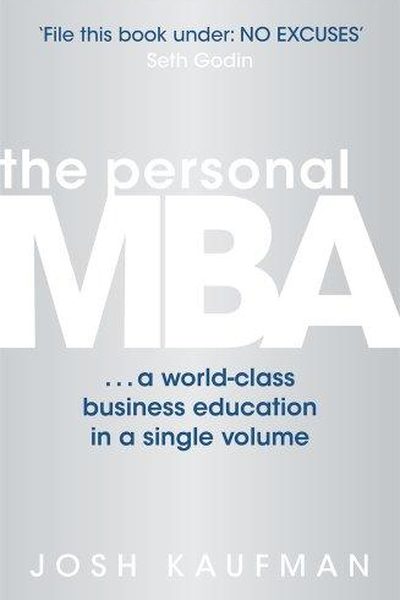
Josh Kaufman spent years distilling what a business education actually teaches into its essential core - and concluded that business comes down to one sentence: 'A business is a repeatable process that creates and…
📖 OPEN THE FULL INTERACTIVE BREAKDOWN →Questions people ask about Casper
Why did Casper fail? Building a brand on borrowed economics - customer acquisition costs and one-time purchases meant every sale could lose money, and no amount of cute packaging fixed the unit math.
How much was lost? $339M IPO at $1.1B → bought for $320M; never profitable
What is the lesson? Unit economics are the truth; branding is the decoration. If every customer costs more to acquire than they're worth over a lifetime, the valuation is a story the P&L eventually tells on. Know your LTV vs. CAC before you scale.
Casper kyun fail hua? In simple English: Building a brand on borrowed economics - customer acquisition costs and one-time purchases meant every sale could lose money, and no amount of cute packaging fixed the unit math. The cost was $339M IPO at $1.1B → bought for $320M; never profitable.
Keep digging
More startup failures · Open the full Graveyard
Read the antidote book summary: The Personal MBA
Related failures
- Why did 23andMe fail? 2025 · 15 Million DNA Profiles, No Second Act
- Why did Vice Media fail? 2024 · The $5.7B Media Rebel That Died of Believing Its Hype
- Why did Pepperfry fail? 2024 · 10 Years of Furniture E-Commerce, Ended by a Fire Sale
- Why did Lilium Jet fail? 2024 · $1.5B Burned on 36 Electric Jet Fans
- Why did Koo fail? 2024 · India's Twitter Died Waiting for Twitter to Die
- Why did Forward Health fail? 2024 · The AI Doctor's Office Closed Overnight
Questions this case answers
Searchable, filterable, simple to read - they paid billions; you get the lesson.