Why Did Bear Stearns Fail?
The 85-Year-Old Bank That Died in a Weekend
📜 What Happened
Bear Stearns was one of Wall Street's most storied investment banks — 85 years old, a survivor of the Depression, the wars and every crisis since, famous for its aggressive trading culture and its headquarters a block from the New York Stock Exchange. In March 2008, the unthinkable happened in a weekend: as mortgage-backed securities collapsed, clients fled, lenders pulled their lines, and the bank's cash evaporated within days. The Federal Reserve engineered a rescue — JPMorgan bought Bear for $2 a share, a price that valued the bank that had traded at $170 a year earlier at almost nothing. Employees who had been paid partly in stock watched their life savings vanish overnight. The 85-year-old bank that had survived everything died in 72 hours — not from a single mistake, but from the leverage that turned a liquidity problem into an extinction event.
☠️ The Fatal Mistake
Running 30:1 leverage — Bear's assets were financed almost entirely by borrowed money and short-term lending, so when trust evaporated, the bank didn't just shrink; it ceased to exist.
🧠 The Lesson (Free for You)
Leverage is the difference between a storm and an extinction: a business with no debt can survive a bad year; a business with 30:1 leverage cannot survive a bad week. Bear Stearns' lesson: when your survival depends on tomorrow's borrowing, tomorrow never arrives. The most important number on your balance sheet is not your profit — it's how long you could survive without a single lender rolling over.
📕 The Antidote Book
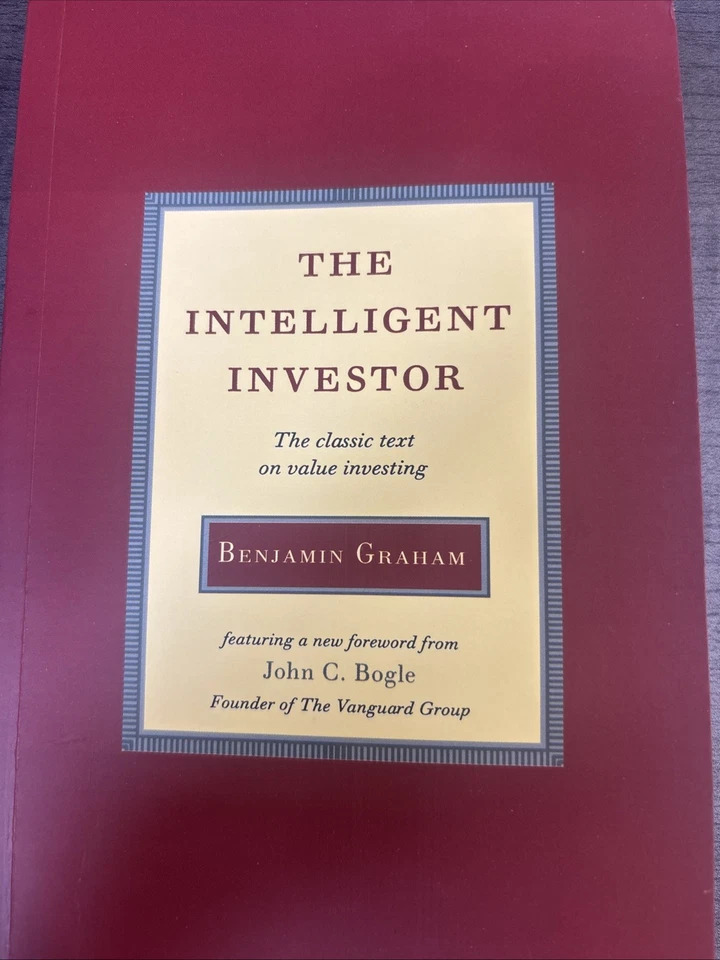
Graham — Buffett's teacher and the father of security analysis — built the intellectual foundation of rational investing on a handful of unbreakable ideas: an INVESTMENT operation promises safety of principal and…
📖 OPEN THE FULL INTERACTIVE BREAKDOWN →Searchable, filterable, free to read — they paid billions; your lesson is free.