Why Did Alma Mater Fail?
Dressed a Thousand Colleges, Then the T-Shirt Wave Crested
📜 What Happened
In 2009, Bangalore flatmates Varun Agarwal and Rohn Malhotra turned a t-shirt gift for a friend's college fest into Alma Mater, a company selling college identity merch: hoodies, tees and jerseys printed with branch, batch and hostel pride. Riding Facebook-era campus culture, it dressed over a thousand colleges, and Agarwal became the face of young-India entrepreneurship (his book 'How I Braved Anu Aunty...' was a bestseller). But the business had a moat problem: any local printer with a heat press could copy the product cheaper, college merch became a commodity, the operational load of a thousand colleges' sizes, designs and deadlines never turned into systems, and the cultural wave it surfed crested. By the late 2010s the company had faded from its peak; the founders moved on, and the brand survives mostly as a story.
☠️ The Fatal Mistake
Built a brand on a cultural wave without a structural moat under it: no supply-chain lock, no contracts, no network effect. When the wave crested and printing commoditized, nothing held the company up.
🧠 The Lesson (Free for You)
A wave is a launchpad, not a business model. If your moat is a moment, your company lives exactly as long as the moment. Ride the wave into something durable (supply chains, contracts, adjacent categories) before the water recedes.
📕 The Antidote Book
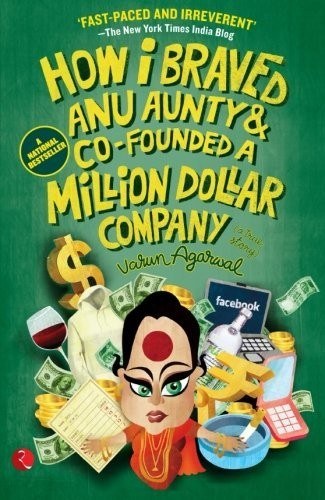
Alma Mater's founding story is a comedy of Indian expectation versus founder instinct, and a real lesson in distribution, timing and college nostalgia as a business model.
📖 OPEN THE FULL INTERACTIVE BREAKDOWN →Searchable, filterable, free to read — they paid billions; your lesson is free.